How to Choose the Best Camping Stove for Backpacking
Author:Tyler Work
|
Released:March 27, 2026
Selecting the right camping stove for backpacking is crucial for a quality outdoor cooking experience. A suitable stove not only enhances meal preparation but also ensures your safety and enjoyment while exploring nature. In this guide, we will help you make an informed decision based on your specific camping needs.
Types of Camping Stoves
1. Canister Stoves
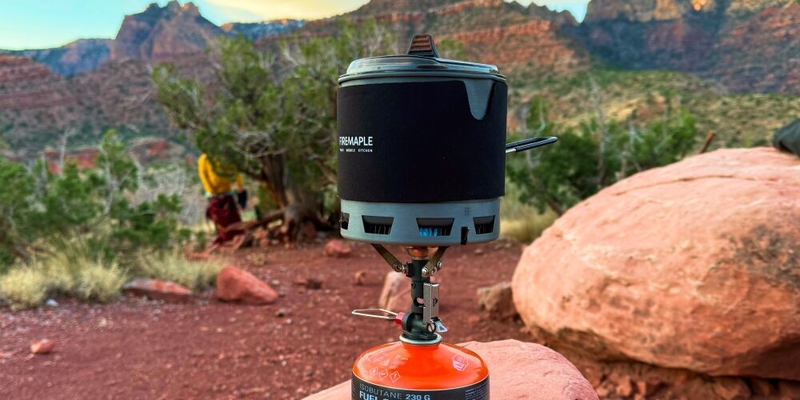
Canister stoves are favored by backpackers for their lightweight and efficient design. They consist of a pressurized fuel canister that typically contains a propane-butane mixture, making them easy to set up. Their compact construction often includes built-in igniters, allowing for quick lighting in various conditions.
The primary advantages of canister stoves include their portability—most models weigh less than a pound—and impressive boiling speed, which allows water to boil in just a few minutes. Their performance across different weather conditions and the clean-burning fuel they use make them versatile options for a range of backpacking situations. Overall, canister stoves are reliable tools for enjoyable outdoor cooking.
2. Alternative Fuel Stoves
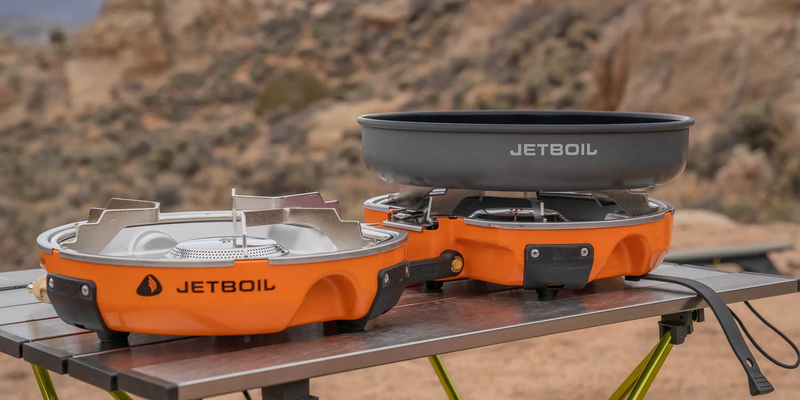
Alternative fuel stoves offer an eco-friendly cooking option for campers. These stoves use fuels other than traditional propane or white gas, including wood-burning stoves that burn twigs and alcohol stoves that rely on denatured alcohol. These options help reduce dependence on fossil fuels and lower greenhouse gas emissions.
Additionally, lightweight alternative fuel stoves are easy to carry during backpacking trips. They often offer a unique cooking experience, helping users feel more connected to the natural surroundings. This makes alternative fuel stoves suitable for environmentally conscious campers seeking sustainable adventures in the wild.
3. Liquid Fuel Stoves
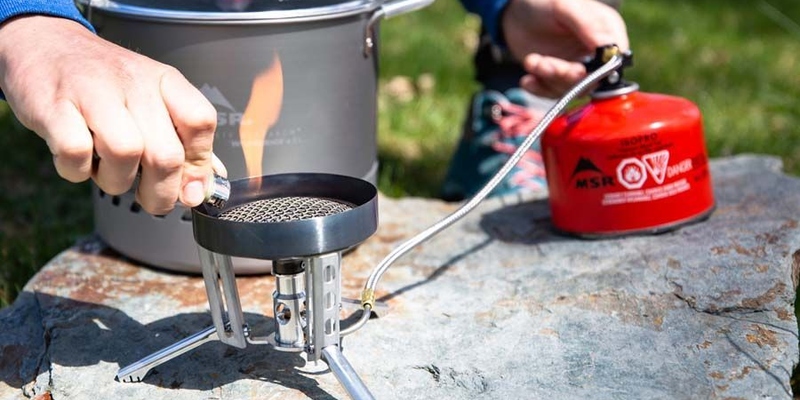
Liquid fuel stoves function by drawing fuel from a refillable canister, which is vaporized and delivered to a burner via a pump. This mechanism ensures a consistent heat output, making them highly efficient for cooking.
One significant advantage of liquid fuel stoves is their performance in harsh weather conditions; they can operate even in freezing temperatures, where canister stoves might struggle.
Furthermore, liquid fuel is more readily available in remote locations, making it easier for campers to access. Their flexibility to burn various fuels, including white gas and kerosene, attracts backpackers who venture into the wilderness, where reliability is essential for successful cooking.
Core Criteria for Choosing a Stove
Weight
Weight is a critical consideration when selecting backpacking gear, particularly for stoves. A lightweight stove minimizes the overall pack weight, making hikes easier.
For shorter trips (1-2 days), opt for stoves under 2 pounds. For medium trips (3-5 days), a maximum weight of 3 pounds is recommended. For extended outings (over 5 days), choose stoves under 4 pounds to balance durability and fuel capacity without making transport difficult. Keeping the weight down improves your overall hiking enjoyment.
Boiling Speed
Boiling speed significantly impacts meal preparation during backpacking trips. The quicker a stove can boil water, the sooner meals can be ready—allowing more time for relaxation or exploration.
Gas stoves generally excel in boiling speed, often reaching a boil within minutes. Liquid fuel stoves might take longer due to their design. Electric stoves may be efficient at home but are impractical in the wilderness, highlighting the need to select a suitable type for outdoor cooking.
Wind Resistance
Wind can greatly reduce cooking efficiency outdoors by cooling the stove and pot, resulting in longer cooking times and increased fuel usage. To counteract this, look for stoves designed with wind-resistant features, such as built-in windshields or specific burner designs that minimize exposure to gusts.
Using accessories like detachable windshields can help shield your flame. Positioning the stove near natural barriers like rocks or trees can also mitigate wind impacts, ensuring efficient cooking in outdoor environments.
Fuel Type
The type of fuel your stove utilizes is a vital factor. Common options include propane, butane, and liquid fuels. Propane works well for shorter trips in cold climates thanks to its higher boiling point. Butane is perfect for lightweight backpacking in milder conditions, providing clean and efficient burns. Although heavier, liquid fuel stoves offer versatility for longer trips and perform reliably in varying temperatures.
For quick getaways, choose butane, while liquid fuel is better for more extended adventures in unpredictable environments. Each fuel type has its advantages based on efficiency, weight, and temperature adaptability.
Stability
Stability is crucial in outdoor cooking, ensuring safety and efficiency. Factors affecting a stove's stability include base width, weight distribution, and pot support. Look for models with adjustable legs or wide, non-slip feet to accommodate uneven ground, and with low centers of gravity to prevent tipping. Selecting stoves made from robust materials, such as stainless steel, can further enhance stability and enable safe outdoor cooking.
Recommendations Based on Trip Length and Group Size
Short Trips (1-2 Days)
For short trips, lightweight canister stoves like the MSR PocketRocket or Jetboil Flash are ideal. Their compact nature fits easily into backpacks while enabling fast boiling times, making them perfect for quick meals.
The readily available canister fuel simplifies refueling. Alternatively, consider the Coleman Peak 1 Feather, which allows for multi-fuel usage and is portable, ensuring you spend more time enjoying your trip than cooking.
Medium Trips (3-5 Days)
When planning medium-duration trips, you should prioritize versatility and functionality. The MSR PocketRocket Deluxe is an excellent choice, being lightweight yet powerful for boiling water quickly and preparing diverse meals. Another option is the Coleman Classic Propane Stove, featuring dual burners for easy meal preparation for groups, simplifying the cooking process for larger parties.
The Jetboil MiniMo, known for its rapid boil time and compact design, is also great for busy itineraries. Choose stoves that fit your group size and meal complexity for an improved outdoor experience.
Long Trips (5 Days and More)
For extended camping trips, stoves like the MSR WhisperLite Universal or the Jetboil Genesis Base Camp System stand out for their fuel efficiency, which helps reduce the number of resupply trips needed. These models can handle larger cooking needs, making them suitable for group meals while simmering and boiling effectively.
Look for stoves that can utilize various fuel types for flexibility, especially in sourcing fuel while you’re on the road. Sturdy construction and wind-resistant features are also essential for reliable cooking, so you can enjoy warm meals on your journey.
Make an Informed Choice
Selecting the right camping stove involves understanding your trip's needs, group size, and personal preferences. Factors such as weight, boiling speed, fuel type, and stability are significant in ensuring a successful outdoor cooking experience. Whether embarking on a solo trek or planning a family camping outing, making informed choices will enhance your performance in the wild. Gear up wisely and relish the joys of outdoor cooking during your next adventure!
Related Posts
Outdoor Gear
The Best Headlamps for Brightness, Comfort, and Battery Life
Guides and Tips
Best Hiking Shoes for Comfort, Grip, and All-Day Support
Outdoor Gear
How To Pick Trekking Poles For Hiking: Length, Material, And Type Explained
Guides and Tips
Top Hiking GPS Devices for Navigation That Actually Work on Real Trails
Activities
How To Safely Cross Rivers While Hiking With 9 Simple Safety Checks
Destinations